Driving Sustainable Packaging Decisions Through Shelf Testing

AT A GLANCE
- Validating the Shift to Cardboard Packaging
- Our client was exploring a major strategic shift: reducing plastic usage by transitioning their toilet rim block packaging towards a cardboard-based solution.
The Mission
Client: Major Global FMCG Household Products Manufacturer
Locations: London (Hammersmith), Colchester, Swindon, Birmingham, and Germany
Methodology: In-person Shelf / Hall Test with Heat Mapping
Sample Size: 1,400 respondents
Interview Length: 25 minutes
The research needed to answer three critical questions:
- How does current plastic packaging perform on shelf today?
- Does a hybrid solution bridge familiarity and sustainability?
- Is a fully cardboard format commercially viable and appealing?


THE OUTCOME
- Confidence to Commit
- The research gave the client clear direction on how to progress their packaging strategy, balancing commercial performance with environmental responsibility.
- The insights supported:
- Final packaging design optimisation
- Clearer sustainability communication at shelf
- A significant reduction in plastic usage across the range
-
Controlled Shelf Testing at Scale
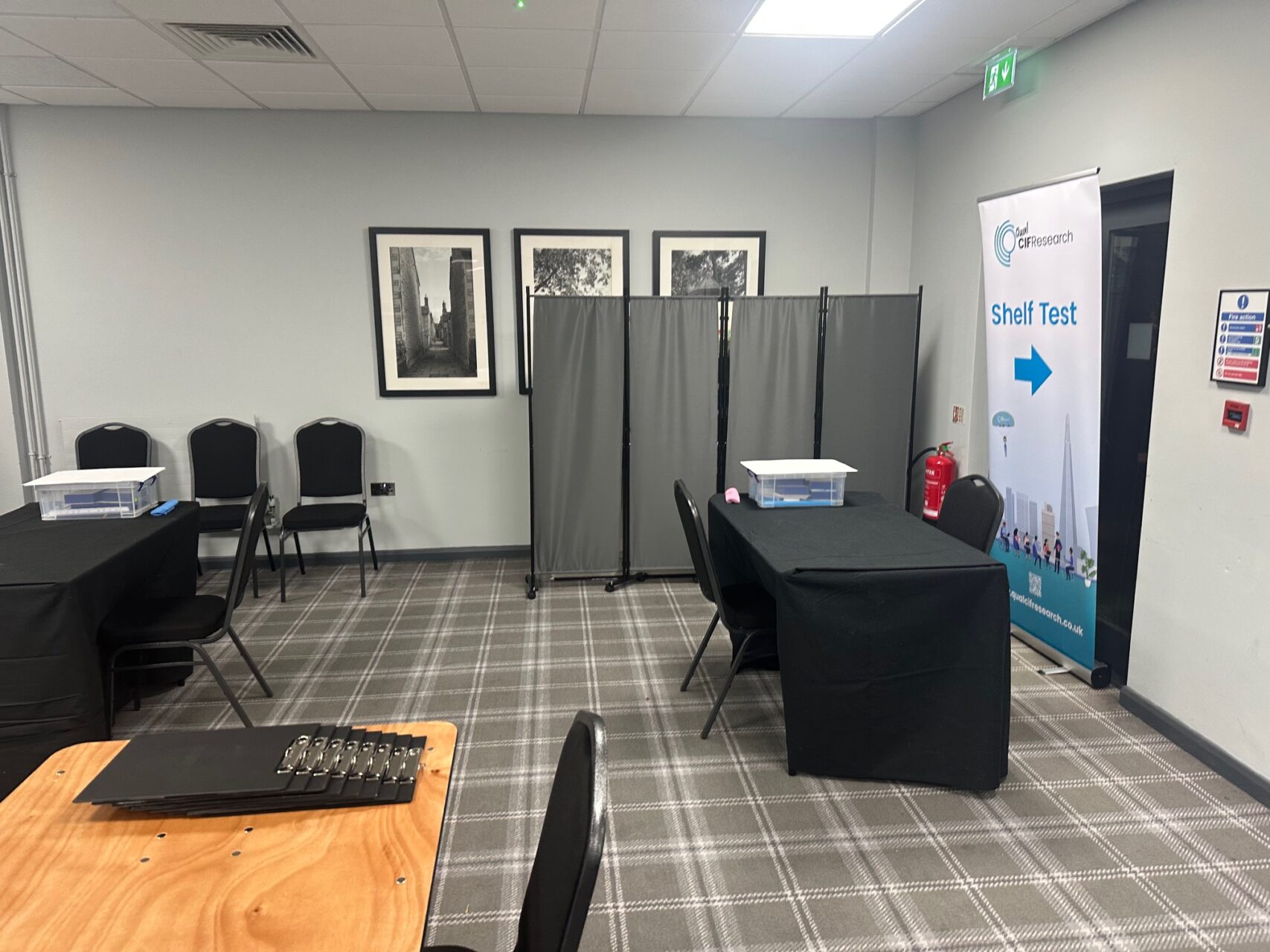
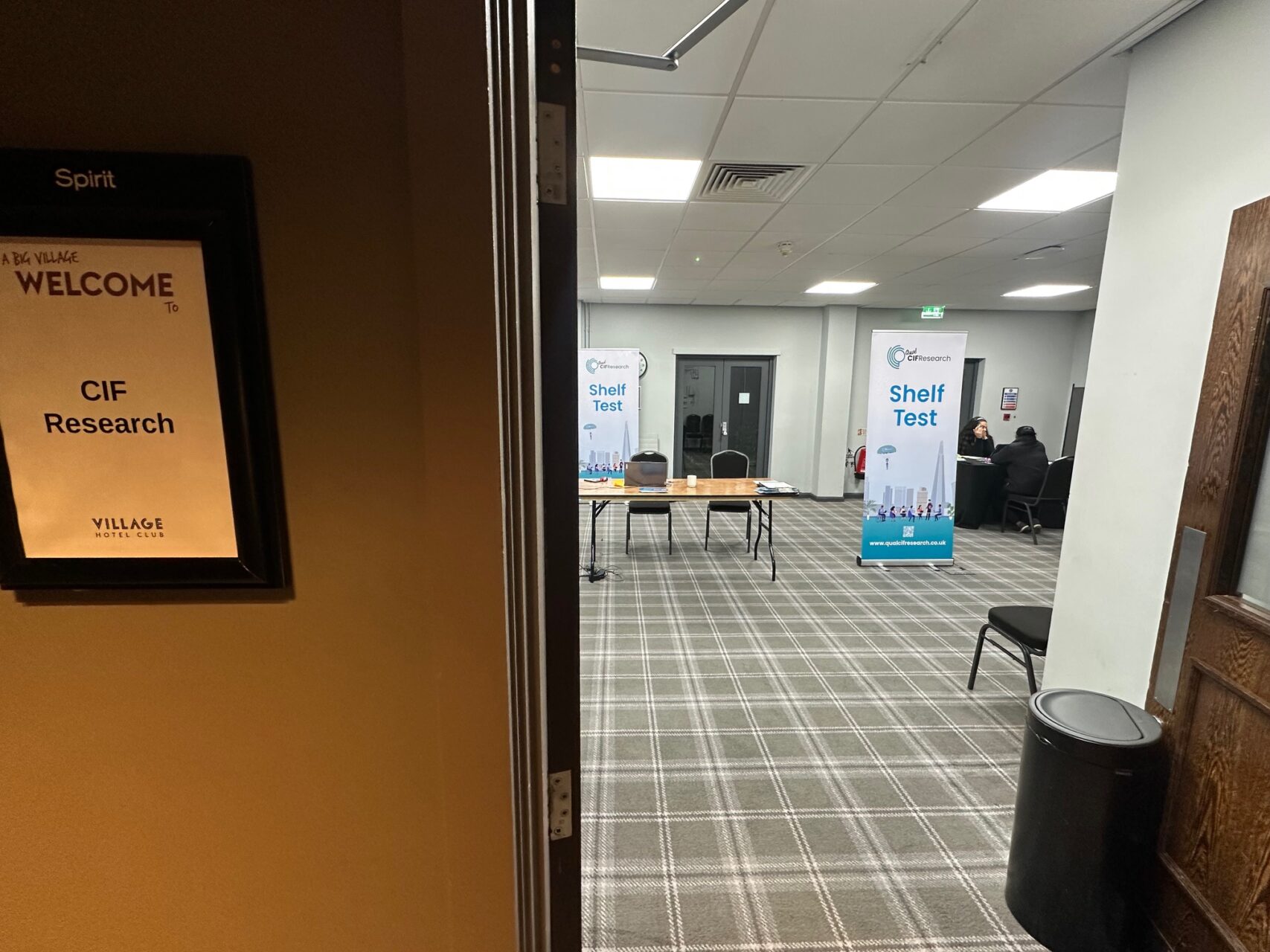
We delivered a large-scale, in-person shelf test across four UK locations and Germany, designed to replicate real shopping behaviour while allowing for precise comparison.
Sample design
- 1,400 respondents
- 700 category users
- 700 non-users
Age split:
- 20–40
- 41–69
Participants were evenly rotated across three shelf displays, each representing a distinct packaging strategy:
Display A – Current State
The packaging currently available on shelf, predominantly plastic.
Display B – Hybrid Transition
A blend of existing plastic elements with new cardboard components, designed to balance familiarity with progress.
Display C – Future Vision
A fully cardboard-based solution, maximising plastic reduction and sustainability credentials.
Each respondent viewed only one display, ensuring clean, unbiased feedback and robust comparative insight across concepts.
The Shopper Journey: From Habitual Choice to Informed Re-evaluation
Each 25-minute interview followed a carefully designed flow:
Unprompted Shelf Selection
Participants interacted with the shelf and selected products as they would during a normal shopping trip.
Prompted Awareness
Respondents were introduced to visual cues highlighting packaging changes and sustainability benefits.
Second Choice Moment
Participants revisited the shelf to assess whether increased awareness influenced their choice.
Comparative Discussion
In-depth questioning explored likes, dislikes, clarity of messaging, and perceived value across the packaging formats.
Why it matters
When the world shifts, thoughtful reflection from its leaders becomes vital. This project captured that reflection at a critical moment. Whether you’re training tomorrow’s leaders or planning for the next crisis, our research brings you the insight of those who’ve been there — and led through it.